
In 2026, digital insurance—often called insurtech—is set to reshape how people buy, use, and understand insurance. The industry is moving fast, with new technologies and ideas changing traditional business models. Customers now expect insurance to be easy, fast, and personal. Companies face pressure to innovate or risk falling behind. As we look ahead, several key trends are emerging that will define the landscape for both insurance providers and policyholders. This article explores these trends, giving you a clear picture of what to expect in the world of digital insurance by 2026.
Artificial Intelligence And Automation
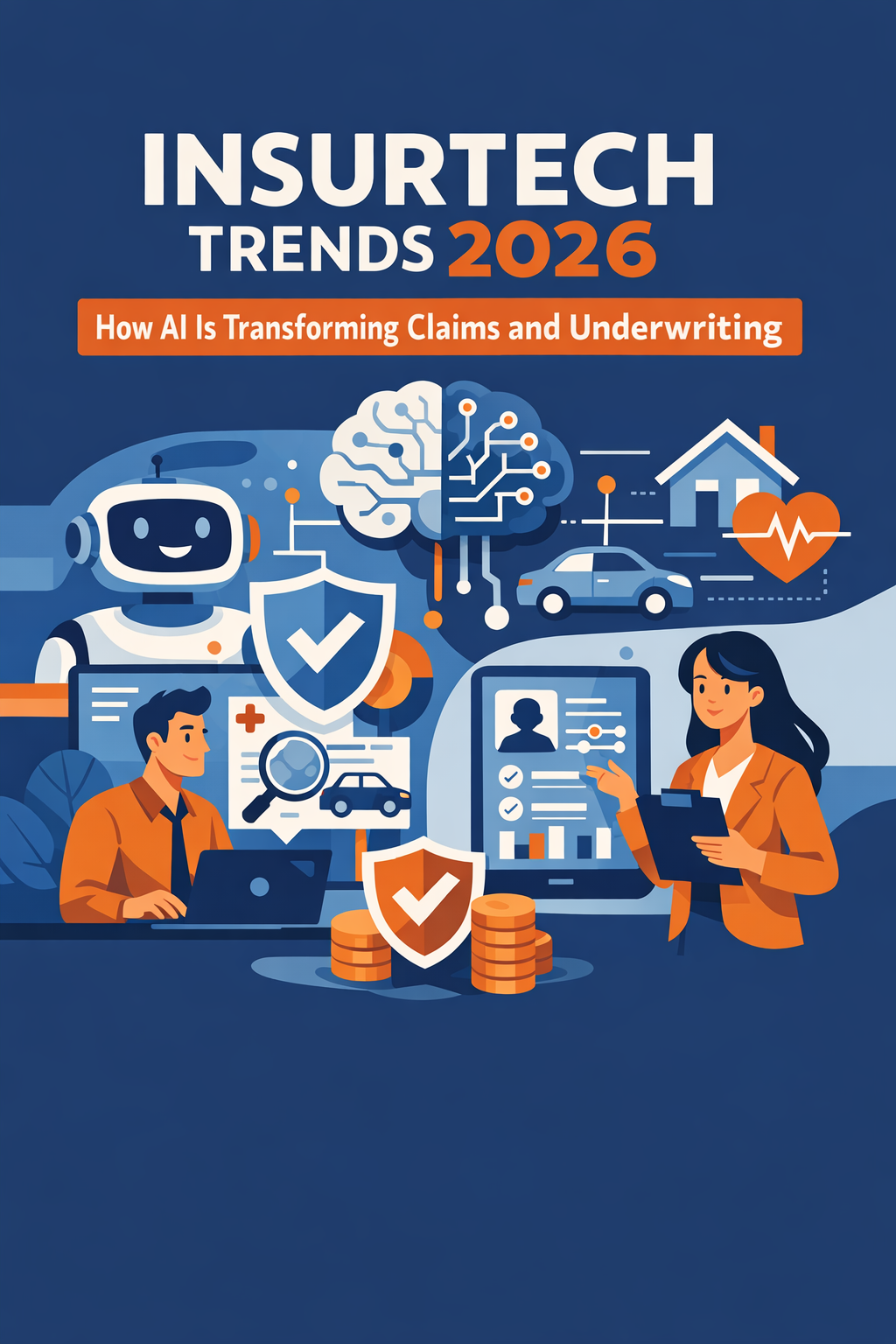
Artificial intelligence (AI) is at the heart of insurtech’s transformation. In 2026, AI will be used for much more than chatbots and basic customer service. Insurers will rely on AI to automate claims processing, detect fraud, and personalize products.
- Claims Automation: AI can handle claims in minutes, not days. Algorithms analyze photos, documents, and data to approve or reject claims quickly.
- Fraud Detection: Machine learning models spot unusual patterns or false claims, saving billions each year.
- Personalization: AI tailors insurance offers based on your behavior, health, or driving habits.
A recent report showed that 78% of insurers use AI for at least one core process. This number is expected to reach 95% by 2026.
| Year | % of Insurers Using AI | Main Applications |
|---|---|---|
| 2023 | 62% | Chatbots, simple claims |
| 2024 | 78% | Claims, fraud detection |
| 2026 (projected) | 95% | Claims, fraud, personalization, underwriting |
Non-obvious insight: Many beginners overlook how AI reduces human errors in underwriting, making risk assessment smarter and more accurate.
Embedded Insurance: Seamless Protection
Embedded insurance means coverage is offered right when you need it—often during a purchase, not later. By 2026, this trend will dominate travel, retail, and gig economy platforms.
- Buy a flight? Get travel insurance with one click.
- Renting a car? Insurance is included in the app.
- Selling on a marketplace? Sellers get automatic coverage against delivery issues.
Embedded insurance is growing because it is simple and convenient. Customers don’t have to search for a policy; it’s part of their transaction.
Data point: Global embedded insurance premiums are forecast to hit $70 billion in 2026, up from $20 billion in 2022.
| Sector | 2022 Embedded Premiums | 2026 Projected |
|---|---|---|
| Travel | $4B | $14B |
| Retail | $6B | $22B |
| Gig Economy | $2B | $9B |
Non-obvious insight: Embedded insurance often covers risks that traditional insurance ignores, such as gig worker injuries or e-commerce fraud.
Usage-based And On-demand Insurance
Traditional insurance is one-size-fits-all. In 2026, usage-based insurance (UBI) and on-demand coverage will let customers pay for what they use.
- Car insurance based on miles driven, not yearly rates.
- Health insurance that adapts to your activity level.
- Travel insurance for only the days you travel.
This model is popular among younger generations who value flexibility. Insurers use IoT devices and smartphone data to monitor usage.
Example: A rideshare driver activates coverage only when driving for the platform, saving up to 40% on premiums.
Common mistake: Many users forget to activate on-demand policies, leading to gaps in protection. Insurtech apps now send reminders or activate coverage automatically.
Data And Analytics: Smarter Decisions
Data is the new oil for insurance companies. By 2026, insurers will collect and analyze more data than ever before.
- Behavioral data: Fitness trackers, smart home devices, and connected cars feed information to insurers.
- Predictive analytics: Companies use data to predict risks, set fair prices, and spot trends.
- Customer segmentation: Insurers create detailed profiles, offering targeted products.
Some privacy concerns exist, but most customers are willing to share data for better prices and service.
Statistic: 65% of policyholders say they would share data if it lowers their premium.
| Data Source | Use Case | Impact |
|---|---|---|
| Fitness trackers | Health insurance | Lower premiums for active users |
| Telematics | Auto insurance | Pay-per-mile rates |
| Smart home sensors | Home insurance | Fewer claims, safer homes |
Non-obvious insight: Insurers are starting to reward not just individual behavior, but also community actions—like safer neighborhoods—when setting premiums.

Credit: dashdevs.com
Blockchain And Smart Contracts
Blockchain technology will make insurance more transparent and secure by 2026. Smart contracts let policies be managed automatically, reducing paperwork and manual errors.
- Claims are triggered by external events (like flight delays), with instant payouts.
- Records are tamper-proof, making fraud harder.
- Customers can verify their policy details anytime.
While adoption is slow, several large insurers are testing blockchain-based products.
Example: In travel insurance, smart contracts pay compensation automatically when a flight is delayed, without paperwork.
Common mistake: Beginners often confuse blockchain with cryptocurrencies. Blockchain is the technology behind secure, automated processes—not just coins.
Digital Distribution And Customer Experience
By 2026, insurance will be sold mainly online or through apps. Agents will remain important, but digital channels will dominate.
- Omnichannel platforms: Customers can buy, manage, and claim insurance from any device.
- Self-service tools: Policyholders update details, file claims, or renew policies without waiting.
- Instant quotes: Algorithms give personalized prices in seconds.
Statistic: 72% of insurance purchases will happen digitally by 2026.
Non-obvious insight: Insurtech companies are using gamification—such as reward points or challenges—to engage customers and encourage safer behaviors.
Cybersecurity And Privacy
As more insurance moves online, cybersecurity becomes a top priority. In 2026, insurers will invest heavily to protect sensitive data.
- Encryption: All customer data is encrypted and stored securely.
- AI-powered monitoring: Systems detect and block cyber threats in real time.
- Regulations: New laws require strict privacy controls and fast breach reporting.
Data point: The average cost of a data breach for insurers in 2025 was $4.8 million. Companies are expected to double their cybersecurity budgets in 2026.
Common mistake: Many small insurtech startups underestimate the risks. Customers should check for proper certifications and compliance before buying.
Partnerships And Ecosystems
Insurtech is not just about technology. It’s also about new partnerships. By 2026, insurers will work with tech companies, banks, retailers, and healthcare providers.
- Open APIs: Allow integration with other services, making insurance part of larger ecosystems.
- Joint products: Health insurers team up with gyms, auto insurers with car makers.
- Cross-industry innovation: Insurance is bundled with other products, creating value for customers.
Example: A bank offers home insurance bundled with mortgage products, using digital tools to manage both.
Non-obvious insight: Ecosystem partnerships can create new insurance types—for example, coverage for smart devices or digital assets like NFTs.

Credit: www.patracorp.com
Regulatory Changes And Compliance
The digital insurance world is evolving fast, and regulators are adapting. In 2026, expect more flexible and tech-friendly rules.
- Sandbox programs: Governments allow insurtechs to test new products without full regulation.
- Data protection laws: Strict rules guide how insurers collect, use, and store customer data.
- Global standards: International cooperation helps companies launch products across borders.
Statistic: 34 countries now have insurtech regulatory sandboxes, up from 11 in 2022.
Common mistake: Some startups ignore compliance, leading to fines or forced shutdowns. Always check if a company follows local and international laws.
Sustainability And Esg (environmental, Social, Governance)
Sustainability is becoming a major trend in insurtech. In 2026, insurers will focus on ESG goals—reducing environmental impact, supporting social causes, and strong governance.
- Green insurance: Policies reward eco-friendly actions, like driving electric cars or installing solar panels.
- Social impact: Coverage for underserved communities, microinsurance, and disaster relief.
- Transparency: Companies publish clear ESG reports.
Example: An insurer offers discounts to customers who use renewable energy at home.
Data point: 48% of insurers have public ESG targets in 2026, compared to only 21% in 2022.
Key Challenges In Digital Insurance
While the future looks bright, insurtech faces several challenges:
- Customer trust: Some people worry about data privacy and automated decisions.
- Legacy systems: Old technology slows down digital transformation.
- Talent gap: There is high demand for skilled tech workers in insurance.
- Regulatory uncertainty: Laws may change quickly, creating risks for startups.
Non-obvious insight: Many companies struggle to balance automation with human support. The most successful insurtechs mix both for a better experience.
Real-world Examples
Several insurtech companies are leading the way:
- Lemonade: Uses AI and chatbots to process claims fast.
- Root Insurance: Offers usage-based auto insurance with simple app controls.
- Metromile: Charges drivers based on miles driven, not fixed rates.
- Ping An: A Chinese insurer that uses data and AI for health and life insurance.
For more examples and research, see McKinsey’s Future of Insurance.
Credit: vantagepoint.io
Frequently Asked Questions
What Is Insurtech?
Insurtech is the use of technology to improve and transform the insurance industry. It includes digital platforms, AI, data analytics, and new business models.
How Does Ai Help Insurers In 2026?
AI automates claims, detects fraud, and personalizes products. It also makes underwriting more accurate and reduces mistakes.
Is Embedded Insurance Safe?
Yes, embedded insurance is safe when provided by licensed companies. Always check the provider’s credentials and read the policy details before purchasing.
Will My Data Be Protected With Digital Insurance?
Digital insurers use encryption and strict privacy controls. Choose companies with good cybersecurity practices and compliance certifications.
What Types Of Insurance Are Most Affected By Insurtech?
Auto, health, and travel insurance are the most affected. Usage-based, on-demand, and embedded policies are becoming common in these sectors.
In 2026, digital insurance is not just a trend—it’s a new way of doing business. Insurtech brings faster service, better prices, and more personalized products. But it also brings new challenges. Customers and companies must learn, adapt, and stay informed.
By understanding these trends, you can make smarter choices and get the most value from your insurance in the years ahead.
Read More:
- Reinsurance: What It Is and Why It Matters for Insurers
- Step-By-Step Guide to Filing an Insurance Claim: Expert Tips
- Understanding Risk And Insurance Pricing: A Simple Guide
- AI and Automation in Insurance Industry: Transforming Claims Processing
- How to Read an Insurance Policy Document: A Simple Guide
- How to Switch Insurance Providers Without Losing Benefits Easily
- How Insurance Companies Make Money: Secrets Behind Their Profits
- What to Do After an Accident: Essential Insurance Checklist