
Understanding Risk And Insurance Pricing
Insurance is a part of daily life, but many people do not understand how it really works. Why does your neighbor pay less for car insurance than you? How do companies decide the price for health, life, or home insurance? The answer is in understanding risk and insurance pricing. This article will help you see how insurance companies measure risk, how they set prices, and why your choices can change your cost. Even if English is not your first language, you will find clear explanations, simple words, and helpful examples to make everything easy to follow.
What Is Risk In Insurance?
In insurance, risk means the chance that something bad will happen. For example, your car might get stolen, your house could catch fire, or you could get sick and need expensive treatment. Insurance companies use math and statistics to predict these events. They ask: “How likely is this person to make a claim? How much money might we need to pay?”
There are different types of risk:
- Pure risk: Only loss is possible (like fire, theft, or accident). Most insurance covers pure risk.
- Speculative risk: You could win or lose (like investing in stocks). Insurance does not cover speculative risks.
Insurance works because many people share their risks. Not everyone will suffer a loss at the same time, so the money collected from many people can cover the few who do have a claim.
How Do Insurance Companies Measure Risk?
Insurance companies use several steps to measure risk:
- Collect data: They gather information about age, location, health, driving history, and more.
- Analyze statistics: They look at past events to see how often claims happen and how much they cost.
- Group similar risks: People with similar risks are grouped together. For example, young drivers or smokers.
- Predict future claims: Using models, they estimate how much money they will need for future claims.
An important tool is the law of large numbers. This means the more data they have, the more accurate their predictions will be.
Example: Car Insurance
Imagine two drivers:
- Driver A: 45 years old, drives carefully, no claims in 10 years.
- Driver B: 21 years old, had two accidents last year.
Insurance companies see Driver B as a higher risk. Statistically, young drivers have more accidents. So, Driver B’s premium will be higher.
What Factors Affect Insurance Pricing?
Insurance pricing, also called the premium, depends on many things. Here are some common factors:
- Age and gender: Younger people or men may pay more for car insurance.
- Location: Living in a high-crime area raises home or car insurance costs.
- Claims history: If you made many claims before, your premium rises.
- Type of coverage: More coverage costs more money.
- Deductible: A higher deductible (the amount you pay before insurance pays) means a lower premium.
- Health and lifestyle: Smokers pay more for life or health insurance.
Insurance companies use these factors to build a profile for each customer. This profile helps them predict the chance and size of a claim.
Comparing Home Insurance Pricing Factors
Here is a comparison of how different factors affect home insurance pricing:
| Factor | Effect on Premium | Example |
|---|---|---|
| Home Location | High-risk area = Higher premium | Near water (flood risk) or city center (theft risk) |
| Home Age | Older home = Higher premium | Built in 1960 vs. built in 2020 |
| Security Features | More features = Lower premium | Alarm system, strong locks |
The Role Of Underwriting
Underwriting is the process of reviewing your risk before selling you insurance. Underwriters are the experts who decide:
- Should we offer insurance?
- How much should we charge?
- Are there any special conditions?
Underwriters look at all your information, check for missing details, and sometimes ask for more data (like medical tests). They use guidelines and software to make fair decisions.
Example: Life Insurance Underwriting
If you apply for life insurance, the underwriter may:
- Review your age, medical history, and lifestyle.
- Ask for a medical exam if your policy is big.
- Check if you have risky hobbies (like skydiving).
If you have a health issue, the underwriter might increase your premium or even refuse to sell you insurance.
How Are Premiums Calculated?
Insurance pricing is a careful balance. Companies want to cover their costs but also stay competitive. Here’s how the process usually works:
- Expected cost of claims: How much will they likely pay out for claims?
- Expenses: The cost of running the business (salaries, rent, marketing).
- Profit margin: A small amount added for profit.
- Adjustments: Discounts (for safe drivers) or surcharges (for risky behavior).
The final price is the premium you pay each month or year.
Health Insurance Premium Calculation Example
| Component | Percentage of Premium | Example Amount ($1000 premium) |
|---|---|---|
| Claims Cost | 70% | $700 |
| Expenses | 25% | $250 |
| Profit | 5% | $50 |
If you keep claims low (for example, by staying healthy), your future premiums may decrease.
The Importance Of Pooling Risk
Insurance only works if many people join. This is called risk pooling. When lots of people buy insurance, the money from those who do not make claims pays for those who do.
For example, in health insurance, not everyone gets sick at the same time. The money paid by healthy people covers the costs of those who need expensive treatment. If only sick people bought insurance, prices would be very high.
Non-obvious insight: If too many high-risk people join, companies may stop selling insurance or raise prices for everyone. This is called adverse selection.
How Reinsurance Works
Reinsurance is insurance for insurance companies. Sometimes, one event (like a big hurricane) can cause huge losses. To protect themselves, insurance companies buy reinsurance. This spreads the risk even more.
For example, a company might sell $1 billion in home insurance in Florida. If a hurricane hits, they could lose a lot. By buying reinsurance, they pay another company to cover losses above a certain amount.
This makes the system stronger and protects regular customers from company failure.
Common Mistakes People Make About Insurance Pricing
Many people believe insurance is a “scam” if they do not make a claim, or that prices are set randomly. Here are some common mistakes:
- Thinking price is only about you: Your premium depends not just on your risk, but also on the group you are in.
- Not comparing plans: Sometimes, small differences in coverage make a big impact on price.
- Ignoring deductibles: A low premium with a very high deductible could cost you more in an emergency.
- Underinsuring: To save money, some people choose very basic coverage. But if a big loss happens, they cannot recover fully.
- Misstating information: Giving wrong information (like lying about your health or driving history) can lead to canceled policies or unpaid claims.
:max_bytes(150000):strip_icc()/ActuarialRisk_Final_4202047-ef31bf49019b4a81a981972584b36edc.png)
Credit: www.investopedia.com
Recent Trends In Insurance Pricing
Insurance pricing is changing fast because of new technology and data. Here are a few trends:
- Telematics: Devices in cars measure how you drive. Safe drivers get discounts.
- Big data: Companies use more data from social media, smart devices, and even credit scores.
- Personalized pricing: Instead of group averages, prices are more tailored to you.
- Climate change: More extreme weather means higher home insurance premiums in some areas.
Car Insurance Pricing: Traditional Vs. Telematics
| Method | How Price Is Set | Best For |
|---|---|---|
| Traditional | Based on age, gender, claims history, and car type | Average drivers |
| Telematics | Based on real driving data (speed, braking, mileage) | Safe, low-mileage drivers |
Non-obvious insight: Some companies now offer “pay-per-mile” car insurance. If you drive less, you pay less. This is very different from traditional pricing.
How To Lower Your Insurance Premium
You can take steps to reduce your insurance costs:
- Shop around: Compare prices from different companies every few years.
- Increase your deductible: If you can afford to pay more out of pocket, your premium will drop.
- Bundle policies: Buying home and car insurance together often gives a discount.
- Improve security: Adding alarms or safety features can lower premiums.
- Stay claim-free: Some companies reward you for not making claims.
- Ask for discounts: Students, seniors, or members of certain groups may get special rates.
Small changes, like installing a smoke detector, can make a surprising difference in price.
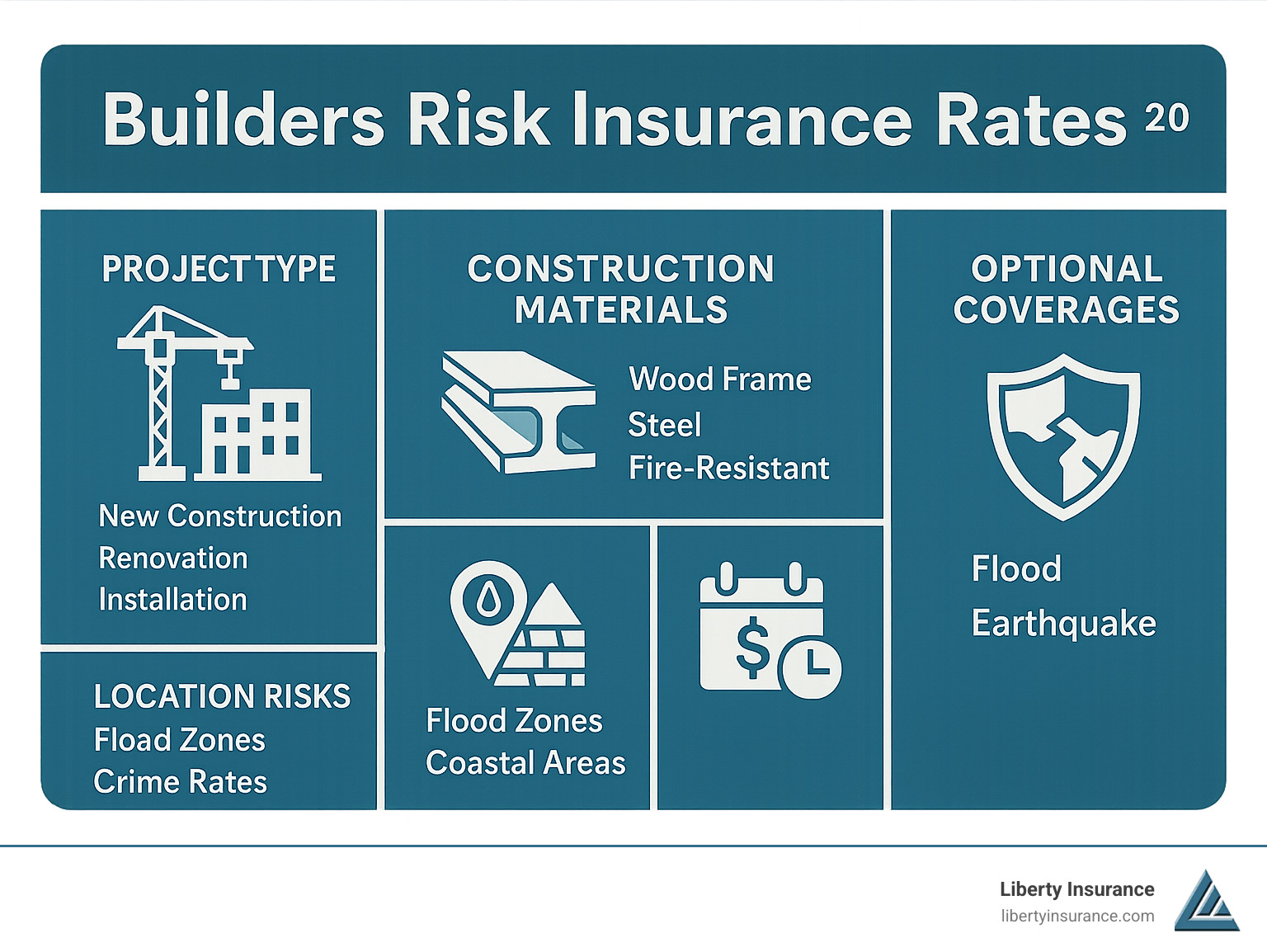
Credit: libertyinsurance.com
The Future Of Insurance Pricing
Insurance will keep changing. Artificial intelligence, apps, and new sources of data will make pricing more personal and dynamic. You might get instant price updates based on your real behavior, not just past history.
However, privacy concerns are rising. More data means more questions about how your information is used. Some people may not want their driving or health tracked all the time.
If you want to learn more about risk management and insurance, see this Wikipedia overview.
Frequently Asked Questions
What Is The Difference Between Premium And Deductible?
The premium is the amount you pay to have insurance, usually monthly or yearly. The deductible is what you pay out of pocket when you make a claim before the insurance company pays the rest.
Why Do Insurance Prices Go Up Every Year?
Prices can rise because claims are getting more expensive, more people are making claims, or costs (like repairs or medical care) are increasing. Sometimes, inflation or more frequent disasters also play a role.
Can I Be Refused Insurance?
Yes, if the company thinks your risk is too high (for example, many past claims or serious health problems), they may refuse to insure you. Each company has its own rules.
Does My Credit Score Affect My Insurance Price?
In some countries, yes. Insurance companies may check your credit score to predict how likely you are to make a claim. A low score can mean a higher premium.
How Can I Check If My Insurance Price Is Fair?
Get quotes from several companies for the same coverage. Ask for a breakdown of costs and compare your profile with others. If you have questions, ask your agent to explain why your price is set that way.
Understanding risk and insurance pricing helps you make smarter choices. By learning what affects your premium and how companies set prices, you can find the best coverage for your needs—and avoid paying more than you should.

Credit: colby-group.com
Read More:
- Reinsurance: What It Is and Why It Matters for Insurers
- Step-By-Step Guide to Filing an Insurance Claim: Expert Tips
- Digital Insurance (Insurtech) Trends in 2026: What to Expect
- AI and Automation in Insurance Industry: Transforming Claims Processing
- How to Read an Insurance Policy Document: A Simple Guide
- How to Switch Insurance Providers Without Losing Benefits Easily
- How Insurance Companies Make Money: Secrets Behind Their Profits
- What to Do After an Accident: Essential Insurance Checklist