
The insurance industry is changing fast. Technology is leading the way, especially AI and automation. For years, insurance was known for lots of paperwork, slow claims, and long wait times. But now, companies use smart machines and software to work faster, lower costs, and improve customer service. This shift is not just a trend; it’s a powerful change that affects everyone—from customers to agents to executives.
Many people wonder how this works and what it really means. Will AI take over human jobs? Does automation make insurance safer or riskier? These questions matter, especially as insurance is something almost everyone needs. In this article, you’ll see how AI and automation are shaping the industry, the benefits and risks, and practical examples.
You’ll also learn how companies are using these tools today and what the future might look like. If you’re curious about the real impact, you’re in the right place.
What Is Ai And Automation In Insurance?
Artificial Intelligence (AI) means machines can learn, analyze, and make decisions. Automation uses software or robots to do tasks without much human help. In insurance, these two often work together. For example, AI can read documents, find patterns, and decide if a claim is fair. Automation can handle emails, update records, or pay claims.
Key technologies include:
- Machine learning: Learns from data to predict risks or prices
- Chatbots: Answers customer questions 24/7
- Robotic process automation (RPA): Handles routine tasks like data entry
- Natural language processing (NLP): Reads and understands documents
This combination helps insurance companies work smarter, not just harder.
How Ai And Automation Are Used In Insurance
Insurance companies use AI and automation in many ways. Here are some of the most important areas:
Claims Processing
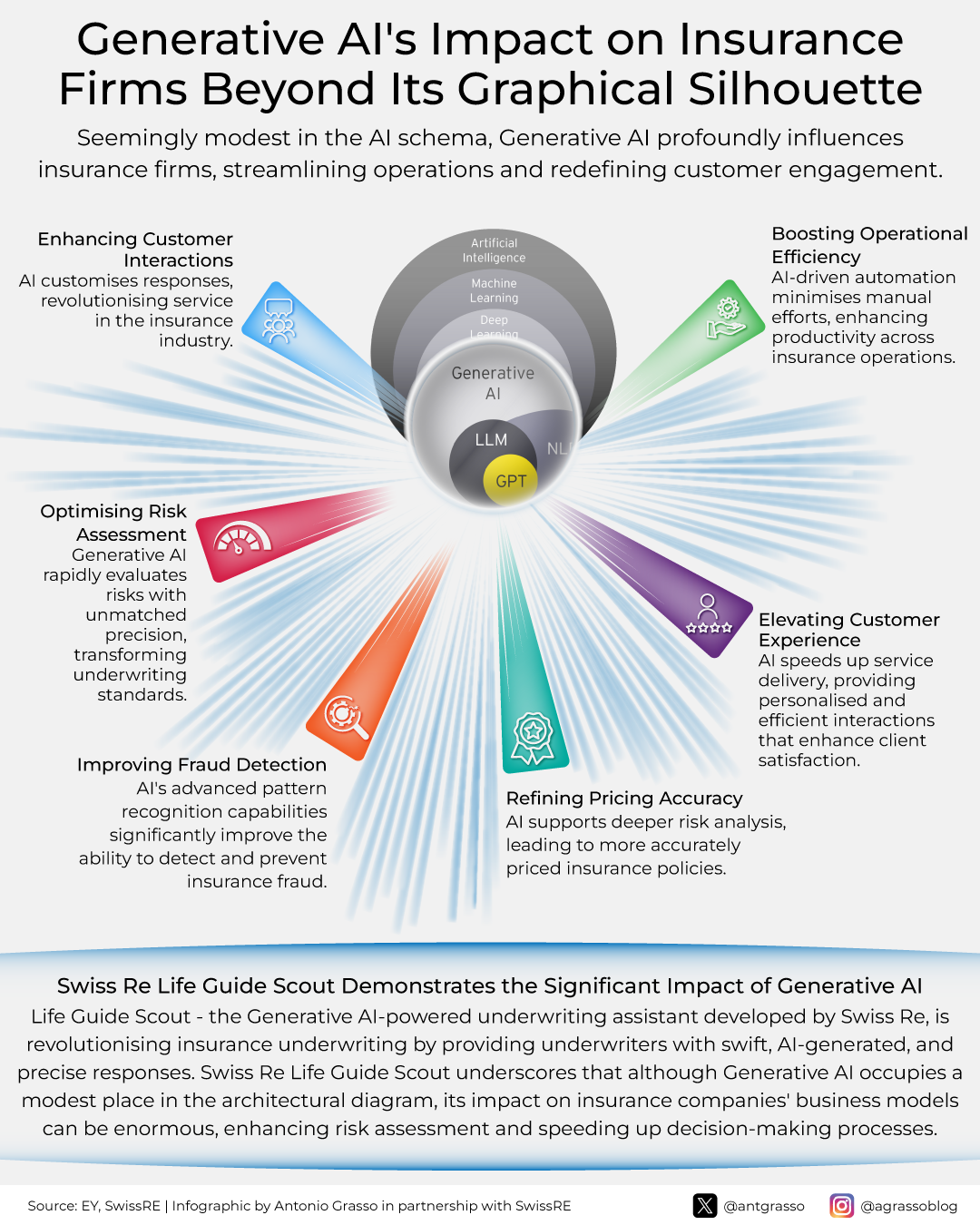
One of the biggest uses is in claims processing. Before, claims could take weeks. Now, AI checks documents, finds fraud, and decides payouts in hours or minutes.
- Automated document review: AI can read medical bills, police reports, and photos to check if a claim is real.
- Fraud detection: AI finds strange patterns that humans might miss, stopping fake claims.
- Fast payments: Automation sends approved payments directly to customers.
Underwriting
Underwriting decides who gets insurance and at what price. AI helps by studying lots of data—like credit scores, driving records, and health info—to set fair prices.
- Risk analysis: Machine learning predicts who is risky and who is safe.
- Personalized pricing: AI sets prices based on each person, not just broad groups.
Customer Service
AI-powered chatbots answer questions day and night. They can help with quotes, policy changes, and basic support.
- Instant replies: No need to wait for business hours.
- Multilingual support: Chatbots can speak many languages.
- Smart routing: Sends complex issues to human agents.
Marketing And Sales
Automation helps find new customers and keep them happy.
- Lead scoring: AI decides which customers are most likely to buy.
- Personalized offers: Sends offers based on customer history.
- Follow-up reminders: Automation reminds agents and customers about renewals.
Policy Administration
Managing policies is easier with automation.
- Automatic renewals: Software renews policies and sends reminders.
- Data management: Updates records without mistakes.
- Regulatory compliance: Makes sure rules are followed.
Benefits Of Ai And Automation
The advantages are clear, but some are easy to miss:
- Speed: AI and automation cut processing time from days to minutes.
- Accuracy: Fewer mistakes happen, as machines don’t get tired or distracted.
- Cost savings: Less manual work means lower costs for companies.
- Better customer experience: Customers get answers and payouts faster.
- Fraud reduction: AI finds fake claims and stops losses.
Hidden Benefits
- Data-driven insights: AI finds trends that humans overlook, helping companies make smarter decisions.
- Flexible scaling: Automation lets companies handle more work without hiring more staff.
Challenges And Risks
While the benefits are big, there are real risks and challenges:
- Job displacement: Some roles, especially routine ones, may disappear.
- Bias in AI: If AI is trained on unfair data, it can make biased decisions.
- Data privacy: Insurance uses sensitive information, which must be protected.
- Regulatory concerns: New rules may be needed as AI decisions become common.
- System errors: Automation is only as good as the code—mistakes can be costly.
Two Often-missed Challenges
- Customer trust: Many people worry about machines making important choices. Building trust is hard, especially when things go wrong.
- Integration costs: Switching to AI and automation is expensive and takes time. Companies must train staff and update old systems.
Real-world Examples And Data
Let’s look at how AI and automation are working today.
Claims Processing Speed Comparison
Here’s a look at how claims processing has changed:
| Method | Average Processing Time | Error Rate |
|---|---|---|
| Manual | 5-10 days | 3-5% |
| AI/Automated | 1-2 hours | 0.5-1% |
Customer Service Satisfaction
Many companies report higher satisfaction scores after using chatbots:
| Year | Average Satisfaction Score (out of 10) | Chatbot Use |
|---|---|---|
| 2018 | 7.2 | Low |
| 2022 | 8.6 | High |
Market Growth
According to industry reports, the global AI in insurance market was valued at $2.6 billion in 2021. Experts predict it will reach $20 billion by 2030, with over 25% annual growth.
Automation Vs. Human Work: A Balanced View
It’s important to compare what machines and humans do best.
| Task | AI/Automation Strength | Human Strength |
|---|---|---|
| Routine Data Entry | Speed, accuracy | Low adaptability |
| Complex Claims | Pattern analysis | Empathy, judgment |
| Customer Complaints | 24/7 response | Emotional support |
This shows that AI and automation work best for routine tasks, but humans are needed for empathy and complex decisions.

Credit: blog.cloudanalogy.com
Common Mistakes When Adopting Ai And Automation
Many companies rush into AI and automation without careful planning. Here are mistakes to watch for:
- Ignoring staff training: Employees need to know how to use new tools.
- Poor data quality: AI needs good data; bad data leads to bad results.
- Overreliance on automation: Some decisions need human judgment.
- Skipping security checks: Sensitive customer data must be protected from hackers.
- Not testing systems: New software should be tested before full launch.
Future Trends In Ai And Automation
The future of insurance is bright with AI and automation. Here’s what to expect:
- More personalized products: AI will help companies create policies for each customer, not just broad groups.
- Real-time risk monitoring: Devices like smart cars or wearable tech will send data to insurers, making risk assessment instant.
- Voice assistants: Customers may soon buy insurance or file claims by talking to smart speakers.
- Blockchain integration: Automation and blockchain could make claims more secure and transparent.
- Greater collaboration: Humans and AI will work together, mixing speed and empathy.
Two Non-obvious Insights
- AI can help reduce insurance fraud by up to 40%, according to industry studies, but only when combined with human oversight. Machines are fast, but humans spot unusual cases.
- Small insurance companies benefit more from automation than large ones. They can scale up quickly and compete with bigger players, but must invest wisely.

Credit: www.e-spincorp.com
The Human Side: Will Jobs Disappear?
A big worry is job loss. While some routine jobs may go, new roles are appearing:
- AI trainers: Teach machines to understand insurance terms
- Data analysts: Study results to improve products
- Customer advisors: Handle complex issues
Experts believe the industry will need more skilled workers, not fewer, but people must learn new skills.
Regulatory And Ethical Issues
AI and automation raise new questions for regulators and governments:
- Transparency: Customers should know how decisions are made.
- Fairness: AI must not discriminate against certain groups.
- Data protection: Personal information must stay safe.
The industry works with regulators to set rules. For more on insurance regulation, see National Association of Insurance Commissioners.
Credit: www.swissre.com
Frequently Asked Questions
What Is The Main Use Of Ai In Insurance?
AI is mostly used for claims processing, fraud detection, and customer service. It speeds up these tasks and reduces mistakes.
Will Ai Replace Insurance Agents?
AI can handle routine tasks, but human agents are needed for complex cases and emotional support. AI helps agents, not replaces them.
How Does Automation Improve Customer Experience?
Automation gives faster replies, quick claims, and fewer errors. Customers spend less time waiting and get better service.
Is Ai In Insurance Safe And Fair?
AI is safe if companies use good data and test systems. But if AI is trained on unfair data, it can be biased. Regulators are working to set rules.
What Skills Are Needed For Jobs In Ai-powered Insurance?
Workers need skills in data analysis, AI basics, and customer service. Learning about new technologies helps people stay valuable.
AI and automation are making insurance smarter, faster, and more personal. The industry is moving forward, but it needs careful planning and clear rules. Human experts and smart machines must work together for the best results. If you want insurance that’s quick, fair, and safe, this new technology is leading the way.
Read More:
- Reinsurance: What It Is and Why It Matters for Insurers
- Step-By-Step Guide to Filing an Insurance Claim: Expert Tips
- Understanding Risk And Insurance Pricing: A Simple Guide
- Digital Insurance (Insurtech) Trends in 2026: What to Expect
- How to Read an Insurance Policy Document: A Simple Guide
- How to Switch Insurance Providers Without Losing Benefits Easily
- How Insurance Companies Make Money: Secrets Behind Their Profits
- What to Do After an Accident: Essential Insurance Checklist